
How to Create a Shuttle Flash Badminton Mentorship Program
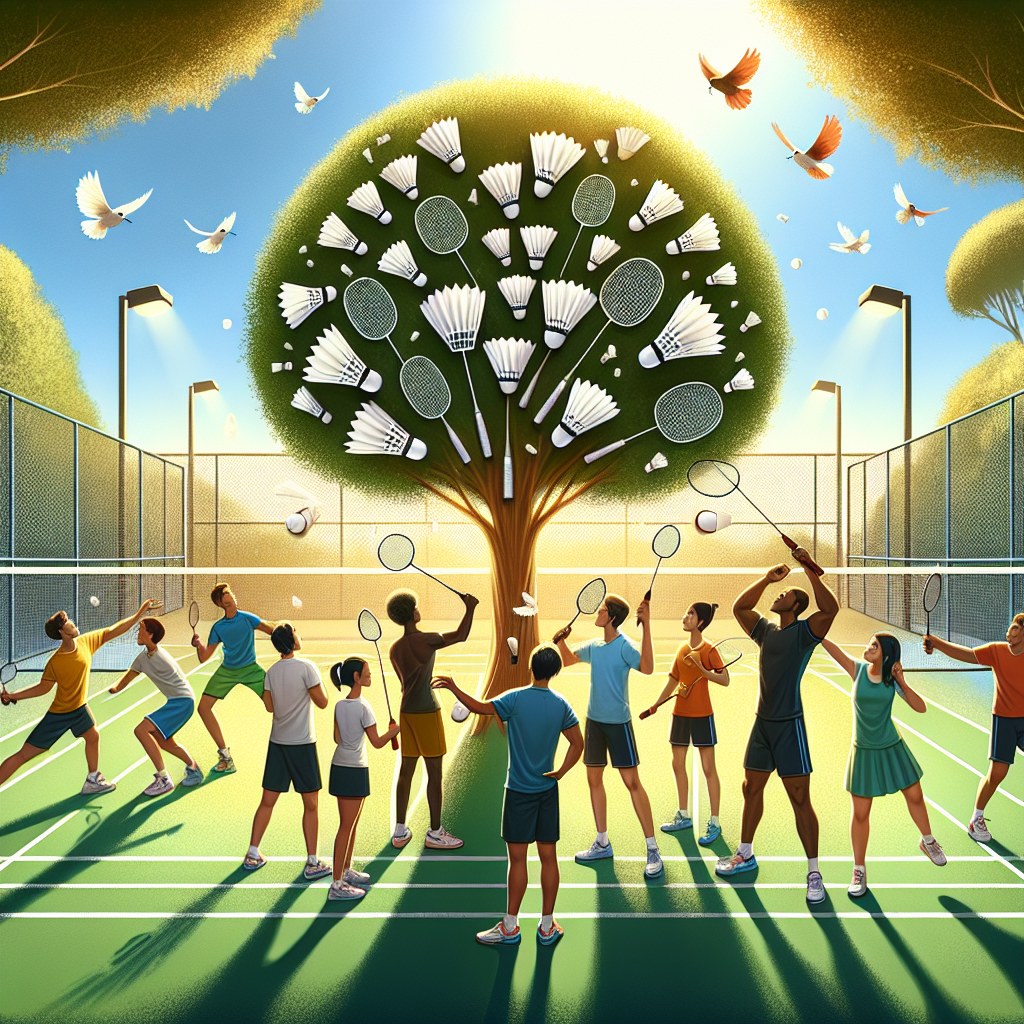
Welcome to the world of badminton mentorship, where passion meets guidance and skill development takes flight like a shuttlecock in a fierce match! 🏸 Whether you’re a seasoned badminton enthusiast or a budding coach, creating a mentorship program can be a rewarding endeavor that impacts lives, fosters growth, and enhances the sport’s community. In this comprehensive guide, we’ll walk you through the essential steps to create a successful Shuttle Flash Badminton Mentorship Program, ensuring it’s both impactful and sustainable.
Table of Contents
1. Introduction to Badminton Mentorship
2. Setting Your Goals and Objectives
3. Designing the Program Structure
4. Recruiting and Training Mentors
5. Engaging and Motivating Mentees
6. Creating an Effective Curriculum
7. Monitoring and Evaluating Program Success
8. Conclusion
9. FAQs
1. Introduction to Badminton Mentorship
In the fast-paced world of badminton, mentorship can serve as a crucial tool for nurturing talent and building a supportive community. Mentorship goes beyond mere coaching; it involves developing a personal relationship where experienced players or coaches guide less experienced ones, providing insights, encouragement, and constructive feedback. The Shuttle Flash Badminton Mentorship Program aims to bridge the gap between potential and excellence, fostering a love for the game while honing skills and strategies.
2. Setting Your Goals and Objectives
Before launching any program, clear goals and objectives are vital. What do you want to achieve with your mentorship program? It could be enhancing player performance, increasing participation among youth, or fostering sportsmanship. Define your success metrics, such as improved skills, tournament participation, or increased engagement. Clear objectives will guide your program’s direction and help in measuring its success.

3. Designing the Program Structure
The structure of your mentorship program will determine its effectiveness. Consider the following elements:
Duration: Decide whether your program will run for a few months, a year, or on an ongoing basis.
Format: Will it be one-on-one, group sessions, or a combination of both? Virtual or in-person?
Frequency: How often will mentors and mentees meet? Weekly, bi-weekly, or monthly?
Designing a flexible structure can accommodate different needs and schedules, making it more accessible and effective.
4. Recruiting and Training Mentors
Finding the right mentors is crucial. Look for experienced players or coaches who are passionate about teaching and have excellent communication skills. Once recruited, provide them with training to ensure they understand the program’s goals, mentoring techniques, and how to give constructive feedback. Mentors play a pivotal role in shaping the mentees’ journey, so investing in their development is key.
5. Engaging and Motivating Mentees
Mentees are the heart of your program. Create an inclusive and welcoming environment that encourages participation. Consider offering incentives such as certificates, personalized feedback, or opportunities to participate in friendly tournaments. Keep communication open and encourage mentees to set personal goals, which will keep them motivated and engaged.
6. Creating an Effective Curriculum
A well-structured curriculum is the backbone of any successful mentorship program. It should cover technical skills, strategic thinking, and mental toughness. Consider including:
Technical Skills: Drills, footwork, and racket handling.
Strategy Sessions: Game tactics, understanding opponents, and match preparation.
Mental Toughness: Building confidence, handling pressure, and maintaining focus.
Incorporate varied teaching methods like video analysis, guest sessions from professional players, or workshops on nutrition and fitness tailored for badminton players.
7. Monitoring and Evaluating Program Success
Regular evaluation is essential to ensure your program is on track. Collect feedback from both mentors and mentees to identify areas of improvement. Use tools like surveys or performance metrics to gather data. Celebrate successes and make necessary adjustments to continually refine the program, ensuring it remains relevant and impactful.
8. Conclusion
Creating a Shuttle Flash Badminton Mentorship Program is a fulfilling journey that requires dedication, planning, and a genuine passion for the sport. By setting clear goals, designing a comprehensive structure, and fostering an environment of growth and support, you can make a significant impact on the badminton community. Whether you’re aiming to nurture young talent or improve skills at a competitive level, mentorship is a powerful tool to achieve these aspirations. Let’s make the badminton community stronger, one mentorship at a time! 🌟
9. FAQs
Q: How do I find mentors for my program?
A: Start by reaching out to local badminton clubs, coaches, and experienced players. Networking events and social media platforms are also great places to connect with potential mentors.
Q: Can the program be conducted online?
A: Absolutely! With the right tools and technology, virtual mentorship can be as effective as in-person sessions, offering flexibility and accessibility.
Q: How do I measure the success of my mentorship program?
A: Success can be measured through participant feedback, skill improvement, increased tournament participation, and the overall satisfaction of both mentors and mentees.
Q: What if a mentee loses interest?
A: Regular check-ins and open communication can help address any issues. Encourage them to set personal goals and provide support to reignite their passion for the sport.
Creating a badminton mentorship program is not just about teaching the game; it’s about building a community, fostering growth, and inspiring the next generation of players. Let’s serve up success, one shuttlecock at a time! 🏸✨